
Do Breathing Exercises Really Make a Difference?
This week’s question came in from a few of you at once, which tells me it’s on people’s minds: do breathing exercises actually do anything, or do they just feel nice for a few minutes? Breathing exercises are a corner stone of hatha yoga, and those early yogis have inspired much of what we see in the world today. Breath-work is everywhere right now, and when something becomes popular, the claims around it tend to drift into the magnificent very quickly. So let’s bring it back down to earth and look at what the research actually says about deliberate breathing and what it can offer your body and your mind.
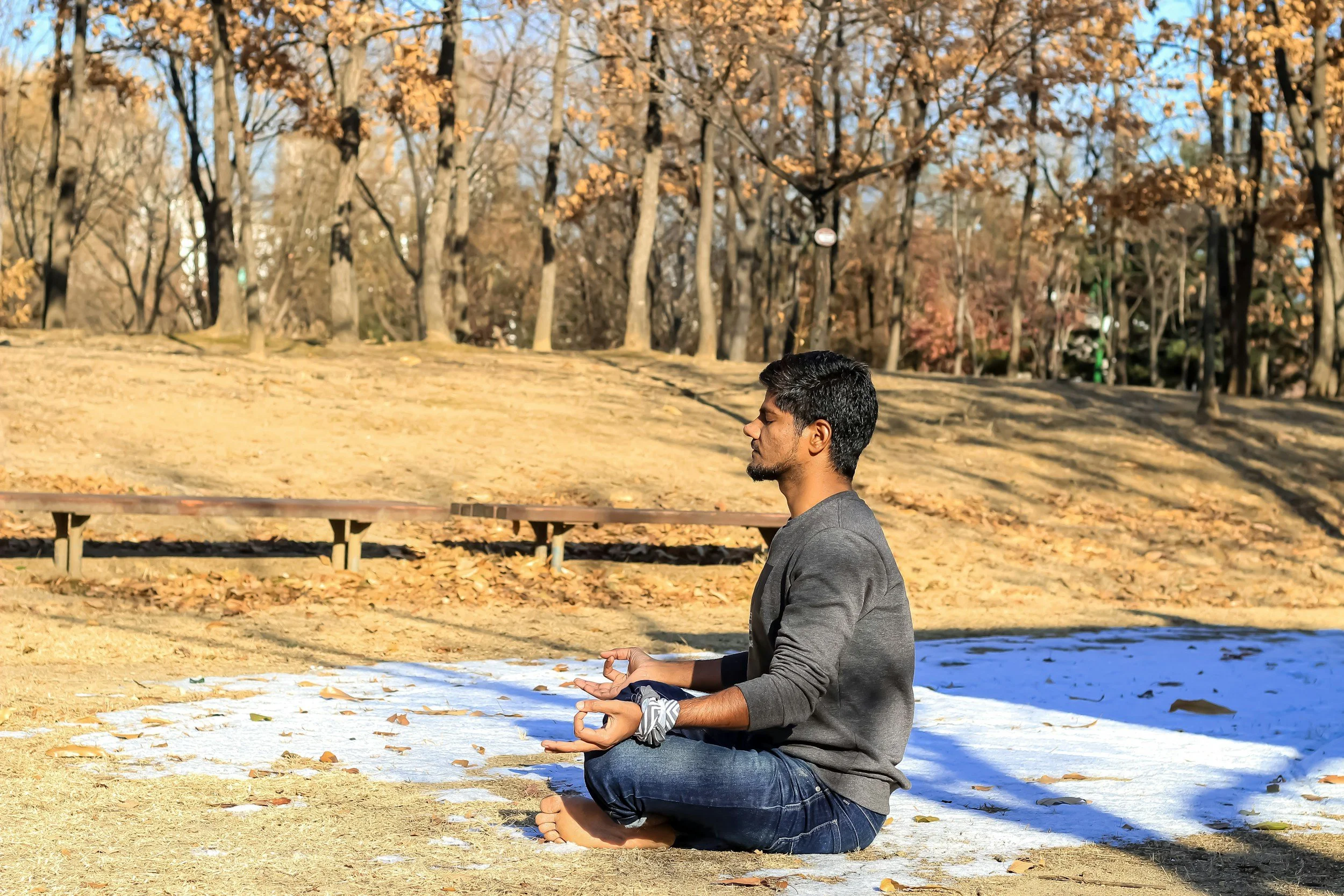
The first thing to know is that slowing your breath down on purpose does create real changes in the body. Not imagined changes, not placebo, but measurable shifts in the nervous system. A large review of studies, ranging from lab experiments to clinical trials, shows that breathing at around five or six breaths per minute increases heart-rate variability and improves what’s called respiratory sinus arrhythmia. These are markers of a more flexible, more resilient system, which basically means you can settle after stress more easily.
The evidence also shows steady, predictable shifts in blood pressure and heart rate when people practise slow breathing regularly. The changes are small, but meaningful, especially for anyone with a tendency toward high blood pressure or a nervous system that spends too much time running at full volume. You won’t breathe your way out of a serious medical condition, but you will give yourself a tool that guides your body toward better balance.
On the psychological side the evidence is even stronger. Breath-work consistently lowers stress, softens anxiety, and improves mood, with some studies showing it outperforms mindfulness meditation in the short term. One paper I found particularly interesting asked people to practise just five minutes of breath-work each day, using a simple pattern with a slow exhale. After a month they reported less anxiety and better emotional steadiness than the mindfulness group. Five minutes. No candles. No retreats. Just breathing with a bit of intention.
The natural next question is: how often do you need to do this to feel a difference? The good news is that the required doses are small. Five minutes a day for mood and anxiety. Ten to twenty minutes most days for cardiovascular benefits. Breath-work responds to the same principle as strength training: little and often beats heroic and rare.
Of course, not all breathwork is the same. Fast or intense styles can be overwhelming for some people, especially if you have trauma, panic tendencies, or respiratory issues. But gentle practices, like slow nasal breathing, lengthened exhales, coherent breathing, or a soft humming breath, fit most bodies and most nervous systems perfectly. These are the practices I weave into class, not because they’re flashy, but because they’re sustainable.
So if you’ve been wondering whether breathing exercises are worth the effort, the answer is yes, but in a very down-to-earth way. They won’t turn your life upside down, but they will change the tone of your nervous system. They will make stress feel less sharp. They will help you settle at night. They will support your emotional resilience and gently guide your body toward better cardiovascular health. And they do all of this with just 5-10 minutes practice 3x per week.
I have linked 2 videos of my ‘go-to’ practice. 1x tutorial and 1 x practice.
Like it, save it, share it.
Thanks for dropping in,
Stuart