
When Does Cultural Appreciation Become Appropriation?
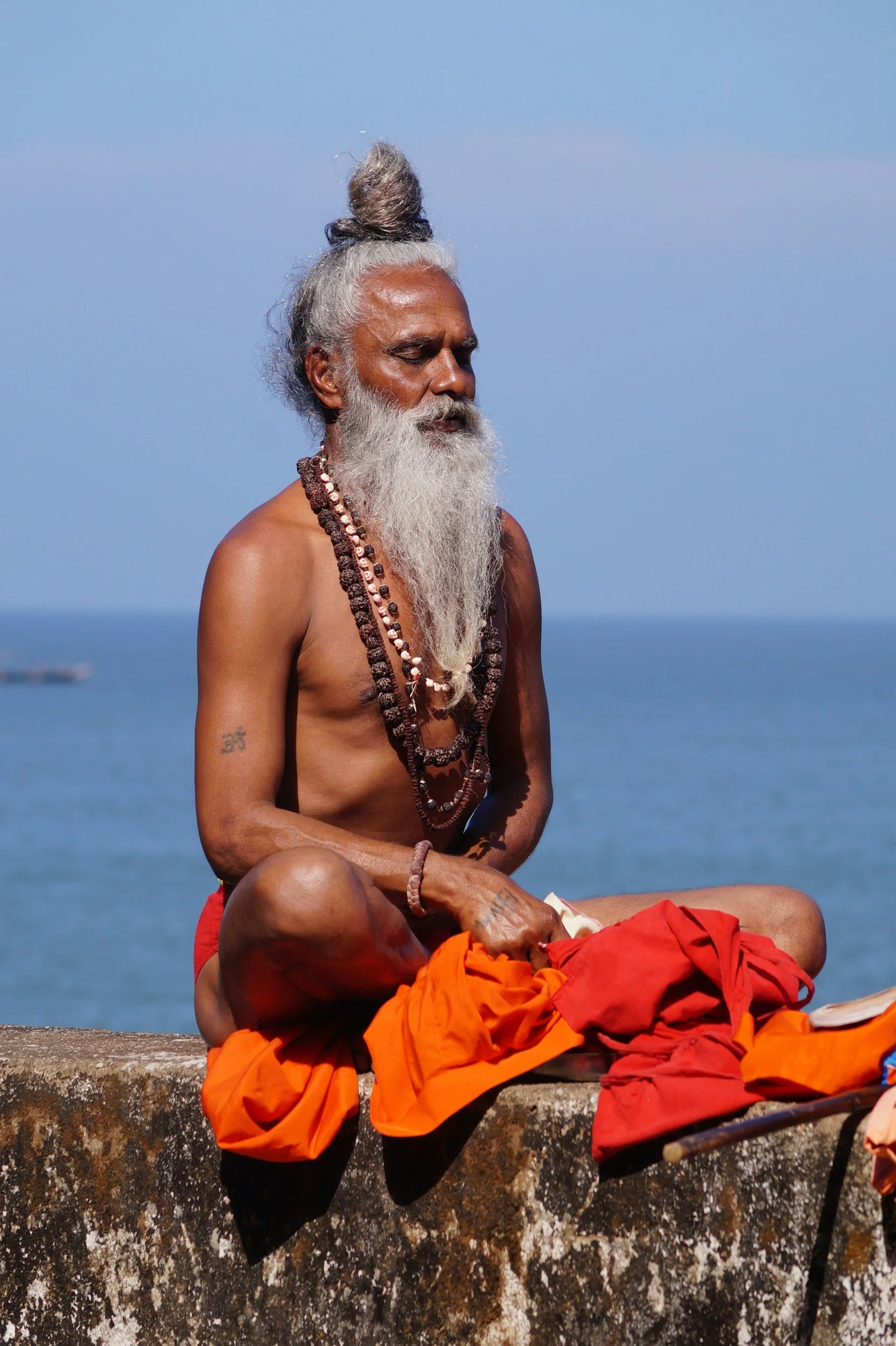
Yoga has meant more to me than a career, more than a sequence, more than something I turn up and teach on a Tuesday evening. It has shaped the way I breathe, the way I relate to pain, the way I try to love my family, the way I sit in silence when life feels heavy. Long before I understood anything about philosophy or Sanskrit, I was fascinated by India. As a young lad I was drawn to the music, the tabla rhythms that seemed to move through your bones, the sitar that felt both aching and expansive, the golds and deep reds of temple dress, the symbols, the colour, the devotion in the eyes of people singing something ancient and alive. There was something there that felt bigger than the grey skies of Manchester that I grew up under.
For years, if I am honest, that fascination was innocent but incomplete. I loved the practice, I studied the texts, I to India travelled & I bowed to teachers. I built a life around it. But recently I have become more aware of the deeper cultural tensions woven through all of this. The legacy of colonisation in India. The way British rule extracted, reshaped, and often diminished traditional knowledge systems. The way spiritual traditions were dismissed, regulated, or repackaged through Western eyes. And then, in more recent decades, the commercialisation of those same traditions. Yoga studios on every high street. Sanskrit words on leggings. Sacred symbols on water bottles. A multi-billion-pound industry built on a tradition that was once marginalised and misunderstood.
So where do we stand?
That is not a rhetorical question. It is one I am genuinely sitting with.
Yoga, as we know, did not begin in London lofts with exposed brick and curated playlists. It was born in South Asia across centuries, through the Vedic hymns, the forest teachings of the Upanishads, the psychological precision of the Yoga Sutras of Patanjali, the embodied experimentation of the Hatha Yoga Pradipika. It evolved through devotion, discipline, renunciation, householder life, Tantra, Bhakti, philosophy, ritual, meditation. It belongs to a living culture, not just a library of techniques.
And yet here I am, a white British man teaching yoga in the North of England, earning my living from a tradition born elsewhere. If I am not willing to look at that honestly, then all my talk of awareness is hollow.
There is a difference between appreciation and appropriation, but the line is not always clear. Appreciation feels like relationship. It studies the roots, it acknowledges lineage and it understands that Sanskrit is not decoration but language. It recognises that a deity statue is not just aesthetic, that OM is not just a logo, that chanting is not just a vibe. Appreciation bows its head a little. It says, “Thank you. I did not create this. I am a guest here.”
Appropriation feels more like extraction. It takes the shapes and leaves the story. It markets the surface and discards the depth. It turns sacred sound into branding and tt re-packages ancient practices as if they were discovered in a Californian lab last week. It profits without naming origin and it speaks over voices from the culture it draws from. And if I am honest, modern yoga sometimes drifts uncomfortably close to that.
Commercialisation complicates everything. I run a business and I charge for classes and I create trainings. There is money involved. I cannot pretend otherwise. And I do not believe that charging for yoga is inherently wrong. Teachers need to live. Studios need to exist. But intention matters. Am I selling transformation, or am I selling an image of spirituality that flatters the ego? Am I encouraging depth, or just padding and aesthetics?
The impact of colonisation cannot be ignored in this conversation. Britain ruled India for nearly two centuries. During that time, Indian traditions were often suppressed, reshaped, or judged through colonial frameworks. Knowledge systems were dismissed as primitive while Western systems were elevated as rational and superior. Fast forward to today, and we see yoga widely embraced in the West, sometimes stripped of its religious and cultural context so it feels more palatable. There is irony there. There is also pain for some communities who see something sacred to them turned into a global commodity.
So again, where do we stand?

I do not think the answer is to retreat in guilt or to stop practising yoga unless you are Indian. Yoga has always evolved. It travelled within India across regions and traditions long before it reached Europe. It adapted to different communities, different needs. Change is not betrayal. But erasure is something else. If we practise yoga as if it has no cultural roots, as if it simply emerged as a neutral fitness modality, then we participate in forgetting.
For me, the question becomes one of stewardship. I did not invent yoga. I inherited it. I am not its owner. I am a participant in its modern expression. That changes how I teach. It means I name its South Asian origins. It means I continue to study beyond the poses. It means I resist turning Sanskrit into gimmickry. It means I try to remain open to critique rather than defensive when these conversations arise.
It also means being honest about my own journey. My attraction to India was real. The music, the colour, the devotion, they stirred something in me long before I could articulate why. But attraction alone is not understanding. Fascination can slip into romanticisation if we are not careful. Loving a culture does not mean we fully grasp its history, its wounds, its complexities. The more I learn about the political and social struggles within India, the more I realise how partial my early understanding was.
At the same time, yoga has given me tools that have helped my mental health, my physical resilience, my relationships. Research supports what many of us feel in our bones. Yoga can reduce anxiety, improve mood, build strength, regulate the nervous system, create community. Making that accessible matters. I see people walk into class burnt out and leave a little steadier. That is not trivial. That is not trend. That is human.
So perhaps the real tension is this. How do we make yoga accessible without flattening it? How do we honour its roots without turning it into something untouchable? How do we avoid both careless appropriation and paralysing guilt?
Maybe it begins with humility. With saying openly: this tradition is older than me. It belongs to a culture that has endured colonisation, commercialisation, and global reinterpretation. I benefit from it. Therefore I carry responsibility.
It continues with education. Not performative, but sincere. Learning about the history of yoga. Learning about India beyond the spiritual postcard version. Listening to South Asian scholars and teachers. Expanding the conversation rather than shrinking it.
And it is sustained by returning to the essence of yoga itself. If yoga truly means union, integration, reducing harm, then our engagement with its culture should reflect that. We cannot chant about non-violence and ignore cultural harm. We cannot speak of truth while rewriting history for convenience.
I do not write this as judge and jury. I write it as someone in the middle of the tension. Yoga has given me so much. India, in all its colour and contradiction, has fascinated me since I was young. That fascination has matured into something more complex, more questioning. I am grateful. I am also cautious.
So where do we stand?
Perhaps we stand in relationship. Not ownership. Not extraction. Not blind consumption. Relationship is ongoing. It requires listening. It requires adjusting. It requires admitting when we have got something wrong.
Yoga asks us to look honestly at ourselves. This conversation is simply that practice extended outward. If we can hold the tradition with respect, continue to learn, share its benefits widely, and remain open to uncomfortable truths, then maybe we are moving closer to appreciation.
And that, for me, feels like the only place worth standing.
Join Me For A Restorative Yoga Training
Training dates:
July 4th and 5th
July 18th and 19th
Investment £199 Online option
£399 Online & in-person Hybrid course including 4 days with Stuart at a beautiful studio in Cheshire.
Why restorative yoga matters now
There is a reason restorative yoga feels more important than ever right now.
We are living in a world that rarely slows down. People are busy, overstimulated, tired, and often carrying more than they realise. Even the students who look capable, strong, and committed can be arriving in class with tight shoulders, shallow breath, poor sleep, and a nervous system that never really switches off.
That is why I believe restorative yoga matters so much.
Not as a lesser practice. Not as yoga for people who cannot cope with stronger classes. But as an essential part of modern teaching.
Many students do not need more intensity. They need support. They need help learning how to soften, breathe more freely, and feel safe enough to truly rest. That is a skill, and as teachers, it is a powerful one to understand.
When you can teach restorative yoga well, you offer more to your students and more to the studios and spaces you work with. You become the teacher who can meet a wider range of people. The student recovering from stress. The busy professional who cannot switch off. The person who loves yoga but feels overwhelmed by fast paced classes. The strong regular practitioner who needs balance, not just effort.
It also gives you more range as a teacher.
You are not replacing flow, hatha, strength, or dynamic movement. You are adding another layer to your teaching. One that helps you understand the difference between stimulation and regulation, challenge and recovery, effort and ease. That kind of understanding makes every class you teach better.
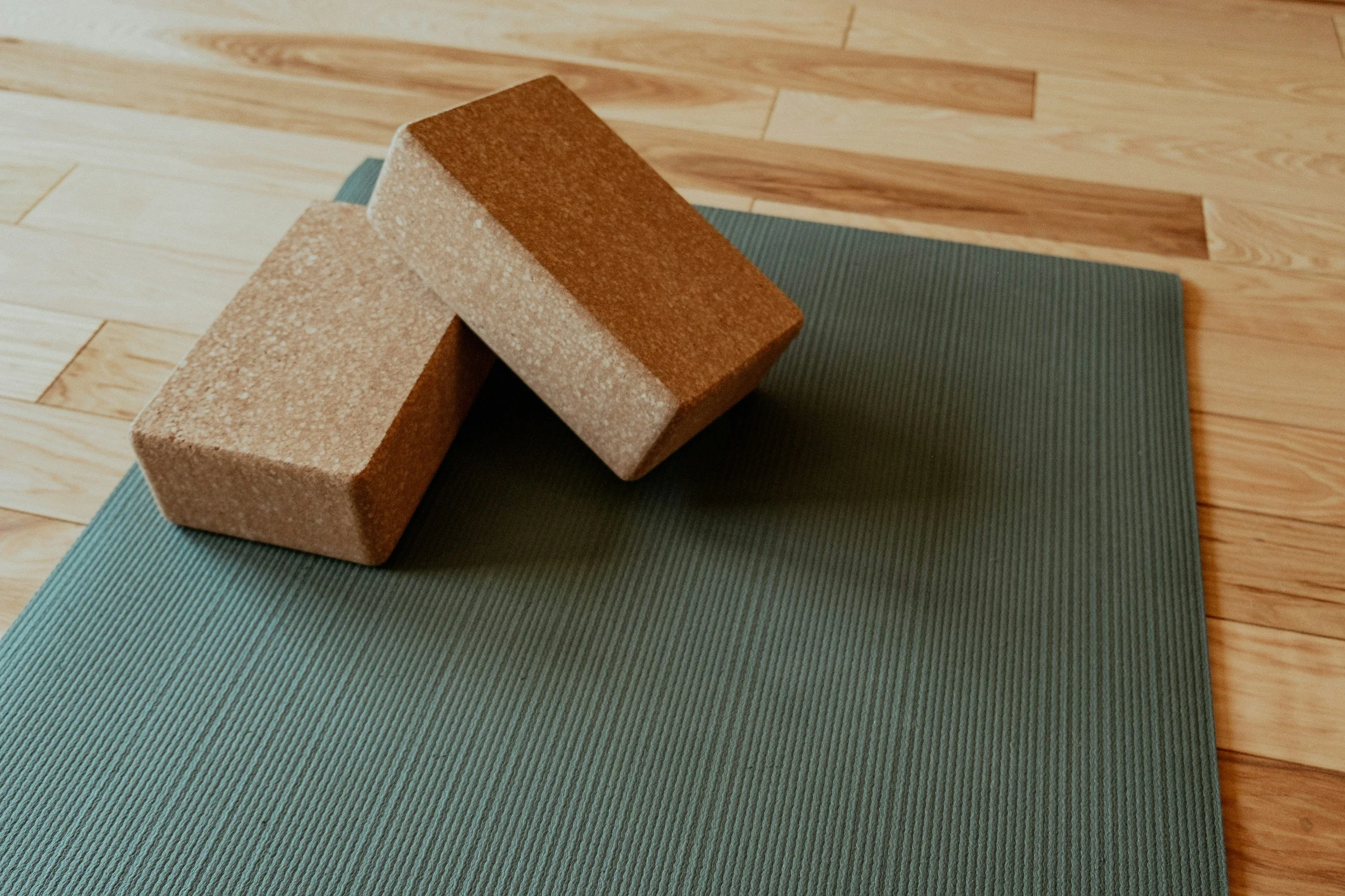
My Restore Yoga Training has been created with exactly that in mind. Restorative yoga is not simply a slower version of other styles. The methods, pacing, prop use, language, and overall intention are distinct, and we will explore them in depth. You will learn how to teach the practices clearly, structure classes with confidence, and understand what makes restorative work so effective. Alongside the teaching itself, we will also look at the professional side, how to approach studios well, present your offering with clarity, and create your own workshops or events with confidence.
This is an in person training with online support, detailed video guidance for every posture, example practices, and body scans to help you close class with real depth and confidence. It is designed to help you understand restorative yoga clearly, teach it skilfully, and integrate it into your wider offering in a way that feels modern, grounded, and genuinely useful.
Training dates:
July 4th and 5th
July 18th and 19th
If you have felt that something is missing in modern yoga teaching, or if you know your students need more than just another strong class, this training may be exactly the right next step.
You can reply to this email if you would like the full details, pricing, and how to book your place.
Stuart