
Maitri: Strong Enough to Stay Kind
Recently, I wrote about my growing aversion to the over-optimisation culture.
And I meant it.
Not because I think discipline is bad. Not because I think strength, health, routine, nutrition, tracking, training, learning, or self-improvement are wrong. I have built much of my life around practice. I believe in showing up. I believe in effort. I believe in doing the work.
But somewhere along the way, I think the balance has tipped.
What began as care has become control. What began as health has become obsession and what began as discipline has become judgement. Some of it is useful. Some of it is brilliant. Some of it genuinely helps people understand themselves better. But I also think many of us are exhausted. Not just physically exhausted, but spiritually exhausted. Tired from the constant feeling that life has become a project to perfect. Tired from turning every meal, practice, walk, moment of rest, and even our sleep into something to measure and improve. Tired from being told that the answer is always more discipline, more structure, more data, more control.
And then yoga gives us another possibility.
Not the rejection of discipline but the softening of what discipline is for.
This June, as we move toward International Yoga Day and our practice of 108 sun salutations, I want to build our theme around a Sanskrit word that feels like medicine for this moment.
Maitri.
Maitri goes along the lines of loving-kindness, friendliness, and wishing goodwill. What I love about this teaching is that it is not abstract. It is not floating above real life pretending everything is peaceful. It is deeply practical because it admits the truth.
We struggle with people. Us humans are great but can also difficult, and I include myself in that sweeping statement. We compare ourselves to others, we get jealous, we get irritated and we find some people easy to love and others almost impossible.
We can be patient with strangers and brutal with ourselves.
We can preach kindness in public and speak to ourselves in a tone we would never use with a student, friend, child, or person we loved.
This is why maitri matters.
Because loving-kindness is not a mood. It is not a personality type. It is not something reserved for naturally soft, gentle, endlessly patient people who seem to float through life in linen trousers drinking herbal tea and never getting annoyed in traffic.
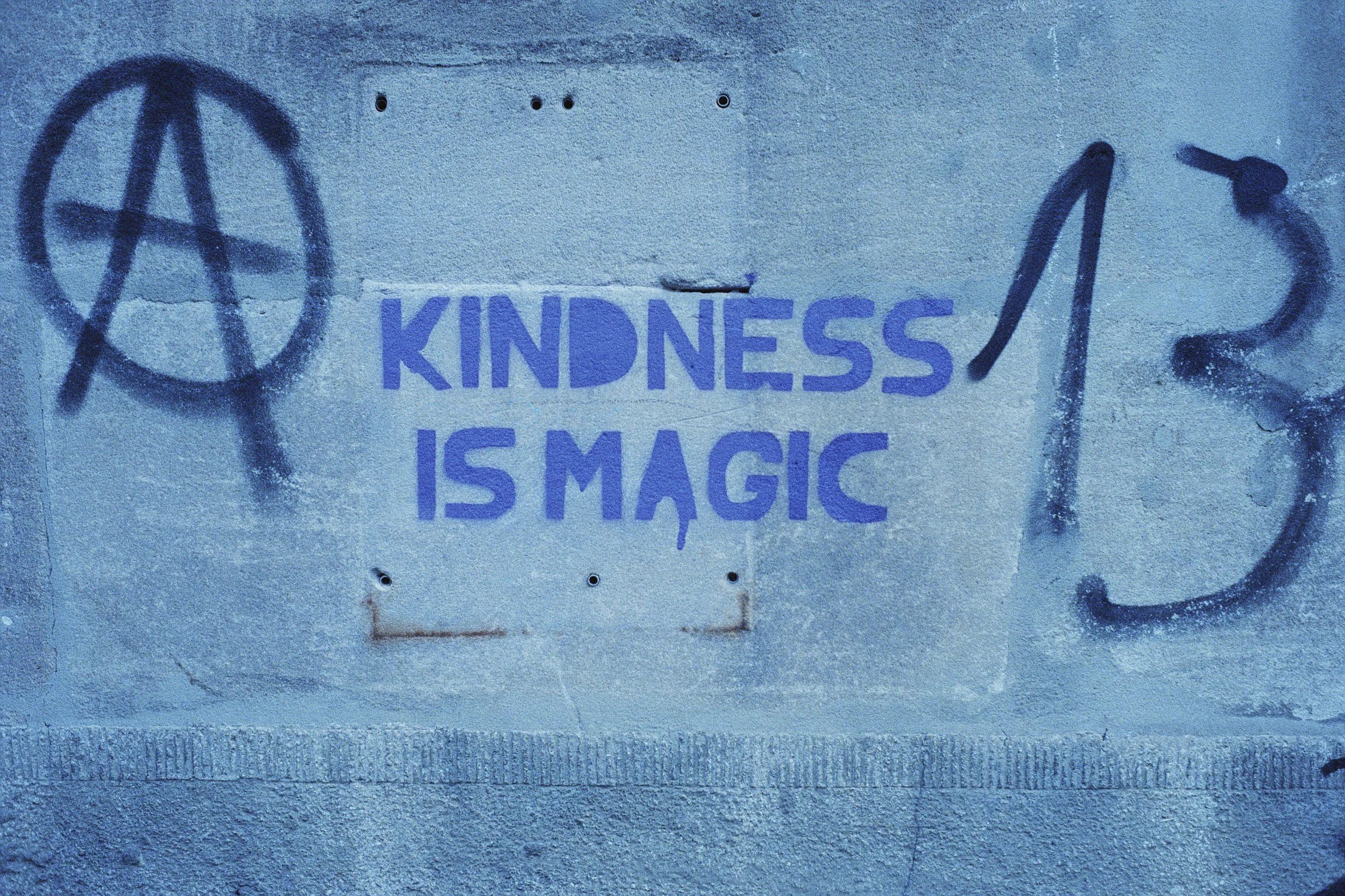
Maitri is a practice.
And like all real practices, it asks something from us. It asks us to notice the tone of our own mind. It asks us to notice the way we treat our body when it is tired, stiff, ageing, injured, or simply not performing the way we wish it would. It asks us to notice the people we quietly resent, the people whose joy makes us contract, the people whose success makes us feel smaller, the people whose suffering makes us uncomfortable, and the people whose behaviour makes us want to close our hearts completely.
Then it asks: can you stay human here?
Not perfect. Just fully human.
This is the part of optimisation culture I can get on board with.
Not optimising ourselves into a shinier, more productive, more impressive version of who we think we should be. But practising qualities that make us more real. More able to work hard without turning ourselves into a project of constant correction.
And here’s another statement to sit with “discipline without kindness becomes perfectionism and kindness without discipline can become avoidance.”
Yoga asks for both.
OK, You might be onboard with my idea too, which simply means you have felt the same but never said it out loud. Right then, how do we put this into practice because thats the Hatha yoga way right? It’s not just nice ideas, it’s lived and felt practice.
First up is a loving kindness mediation. I’ll share these in class and online all month. They are truly as practice for anyone and everyone. Loving-kindness meditation is not just a nice idea. Research suggests that practices built around kindness, compassion, and goodwill can support positive emotions, compassion, mindfulness, and psychological wellbeing. That does not mean we turn it into another hack. That would miss the point entirely. But it does remind us that the heart is not an optional extra in practice. The way we relate to ourselves and others shapes the nervous system. It shapes the mind. It shapes the body. It shapes the life we are actually living.
Second, we can shift intention with our Sun Salutations with month. As some know on June 21st I’ll co-host a class where we complete 108 rounds of sun salutation. It takes us around 2 hours 30 minutes but if you cant commit the time or for now feel that wild figure of 108 rounds seems a little out of reach, then I have a practice of 3 rounds, another of 5 rounds, and a further practice with 12 rounds. So, you could join on the day online or at any point in June. These classes will be posted here on the blog, on my Youtube channel and available on my app.

This June at LUMEN, our theme is Maitri: Strong Enough to Stay Kind.
We will explore loving-kindness not as sentiment, but as practice. We will work with the body through sun salutations, strength, breath, and steadiness. We will work with the mind by noticing comparison, judgement, perfectionism, and the endless hunger to be better. And on International Yoga Day, we will celebrate not by proving how much we can do, but by remembering what practice is for.
Because the world does not need more people who are perfectly optimised but quietly disconnected. It needs people who are strong enough to stay kind. People who can practise discipline without losing tenderness. People who can enjoy life without feeling guilty.
Thank you for being here, I’m looking forward to going you back on the mat and online next week.
With love,
Stuart