
The Backlash to Over-Optimisation
Why doing everything “right” might be exhausting you
Something interesting is happening in the wellness world. After years of tracking, measuring, hacking, stacking supplements, counting macros, monitoring sleep scores, heart rate variability, glucose spikes and cold plunges, people are quietly asking:
Is this actually making me healthier… or just more anxious? There is a growing backlash to over-optimisation. And I understand why. Wellness started with a simple aim. Move your body. Eat real food. Sleep enough. Connect with people. Spend time outside. Somewhere along the way it became a performance.
Morning routines had to be perfect.
Breath-work had to be timed.
Supplements had to be stacked.
Saunas had to be at the exact temperature for the exact number of minutes.
And suddenly “self-care” became another task to win. For a while this competitive element, helps with motivation, structure and even accountability. But, if your nervous system feels under pressure to optimise everything, that pressure becomes its own stressor. When we live in constant self-evaluation, tracking, comparison, and improvement mode, the body can stay subtly in threat. It is not dramatic. It is not panic. It is just a low hum of “not enough yet.”
Ironically, this undermines the very outcomes people are chasing. Better sleep? Harder when you are obsessing over your sleep score. Better recovery? Harder when every workout is judged. Better flexibility? Harder when you push instead of build trust.
This is where yoga has always been ahead of the curve.
Not because it rejects science. But because it understands dosage.
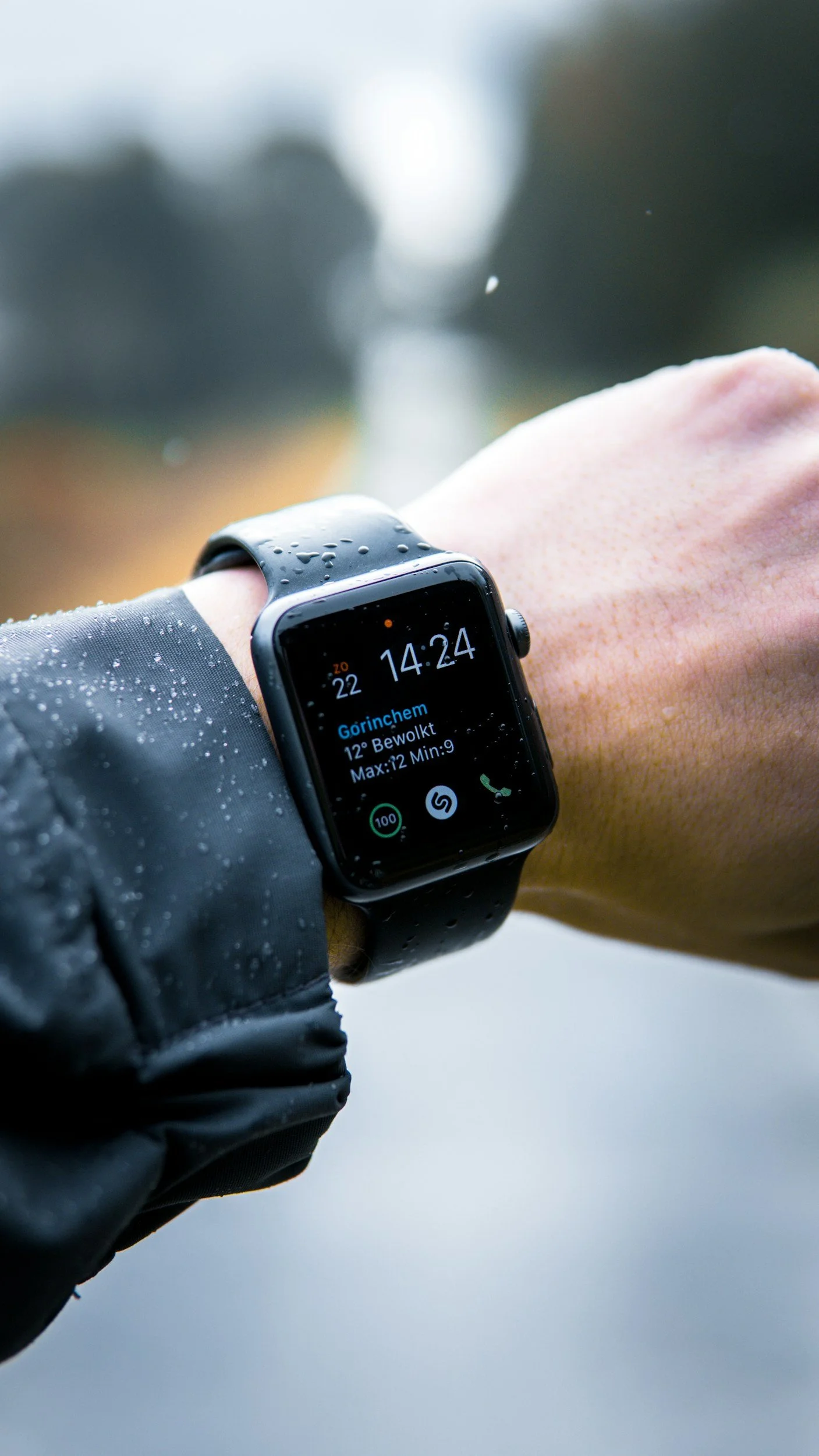
Am I calling for you to throw the whoop or smart watch in the sea? No. Just don’t become a prisoner to it.
Sustainable practice beats intense bursts
The research across almost every health domain shows the same pattern: moderate, consistent practice wins.
Moderate strength training reduces disease risk.
Regular sauna use supports cardiovascular health.
Consistent breathwork lowers stress reactivity.
Lifelong learning supports cognitive resilience.
None of it works because you did it perfectly for two weeks. It works because you stayed with it over time. In yoga philosophy, practice becomes steady when done for a long time, without interruption, and with sincerity. That teaching feels more relevant now than ever.
What this means for your practice with me
When we open class with square breathing, we are not trying to maximise performance. We are settling the system. You hear me use that term a lot “settle.” When we work through 90-90-90 hip strength, we are not trying to force flexibility. We are building trust in range. When we lift weights in the gym, we are not chasing aesthetics. We are building resilience.
That is different from optimisation.
A better question to ask yourself
Instead of asking, “How can I improve this?”
Try asking, “Can I stay with this consistently?”
Instead of “What’s the best protocol?”
Try “What can I repeat regularly for the next month or year?”
The body loves predictability, it loves rhythm & it loves steady effort more than intense spikes.
And your long-term health is built far more on rhythm than perfection.
See you in class,
Stuart