
When the Body Leads, the Mind Can Follow
Most of us were taught, quietly or explicitly, that the way through difficulty is to think our way out of it. Talk it through. Analyse it. Reframe it. Make sense of it. That approach has value. Therapy is powerful work and I’m currently studying psychology for that reason. This approach is what Dr Andrew Huberman calls, top-down regulation. We use the mind to help the mind.
Hatha Yoga offers something different.
It starts with something more direct and accessible. The body.
Top-down vs bottom-up
First of all, it’s not a “vs”, there is no one-size-fits-all. Humans are complex, beautiful creatures, and we deserve a multi-layered approach. In simple terms, many modern therapeutic approaches work from the top down. We use language, insight, memory, and meaning to influence how we feel.
Hatha yoga takes the opposite route.
It works bottom-up.
Instead of asking you to think differently, it asks you to do something differently.
To move.
To breathe.
To change posture, rhythm, pressure, and pace.
And from there, the mind begins to shift.
Not because you told it to. But because the body sent new information.
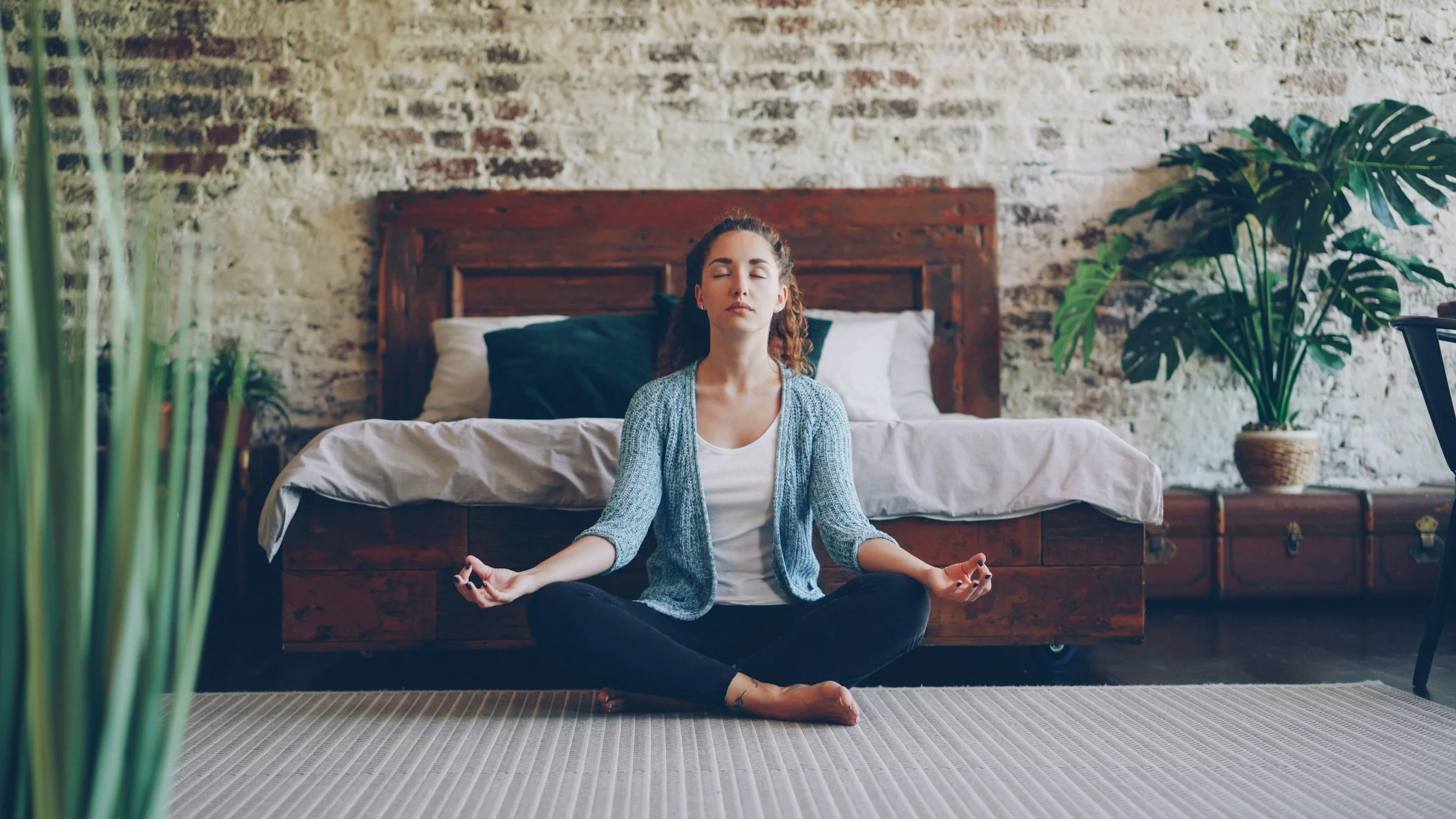
The body as autobiography
You do not need medical training to recognise this. You already know it. Think about how the body responds during difficult seasons of life. The shoulders lift and creep towards the ears. The head drops forward. The chest collapses. The arms fold across the ribs or stomach. The spine rounds, not from laziness, but from protection.
This is not weakness. It is intelligence. The body moves into defence mode.
One of the least talked about changes happens around the ribs and collarbones. I’m using this idea to theme my classes this week. When these tissues tighten, breathing becomes shorter and faster. Not dramatic hyperventilation, just subtly shallow.
Over time, that means more breaths per hour. More breaths per day. More breaths per month. It is like driving with your foot on the accelerator while the car is stuck in traffic. The engine is working hard, but you are not going anywhere.
The nervous system stays alert and mind stays busy. This means rest becomes harder to access.
When thinking is too hard
Yoga does not deny the value of reflection, insight, or meaning. The tradition is rich with philosophy. But hatha yoga is more pragmatic. It recognises something very human. When life is overwhelming, thinking your way through it can be too hard.
So instead it says, quietly and wisely,
“Let’s work with what you can control.”
Your breath.
Your posture.
Your movement.
Stretch the areas that have tightened in defence. Strengthen the parts that have lost support. Slow the breath. Lengthen the exhale. When you do this, you give the nervous system a different message.
Safe.
Steady.
Here.
These signals travel upward. From tissue to breath, then to the brain and then to your mood.
Relief does not need to be permanent to be valuable
Yoga does not promise that life suddenly becomes easier. That is not honest, despite what social media is trying to sell you. What it offers is something more realistic.
A short window of ease.
And often, that is enough. Enough to think more clearly, feel less trapped and to see a way through the storm rather than being swallowed by it. Sometimes relief lasts minutes and sometimes longer, but both matter.
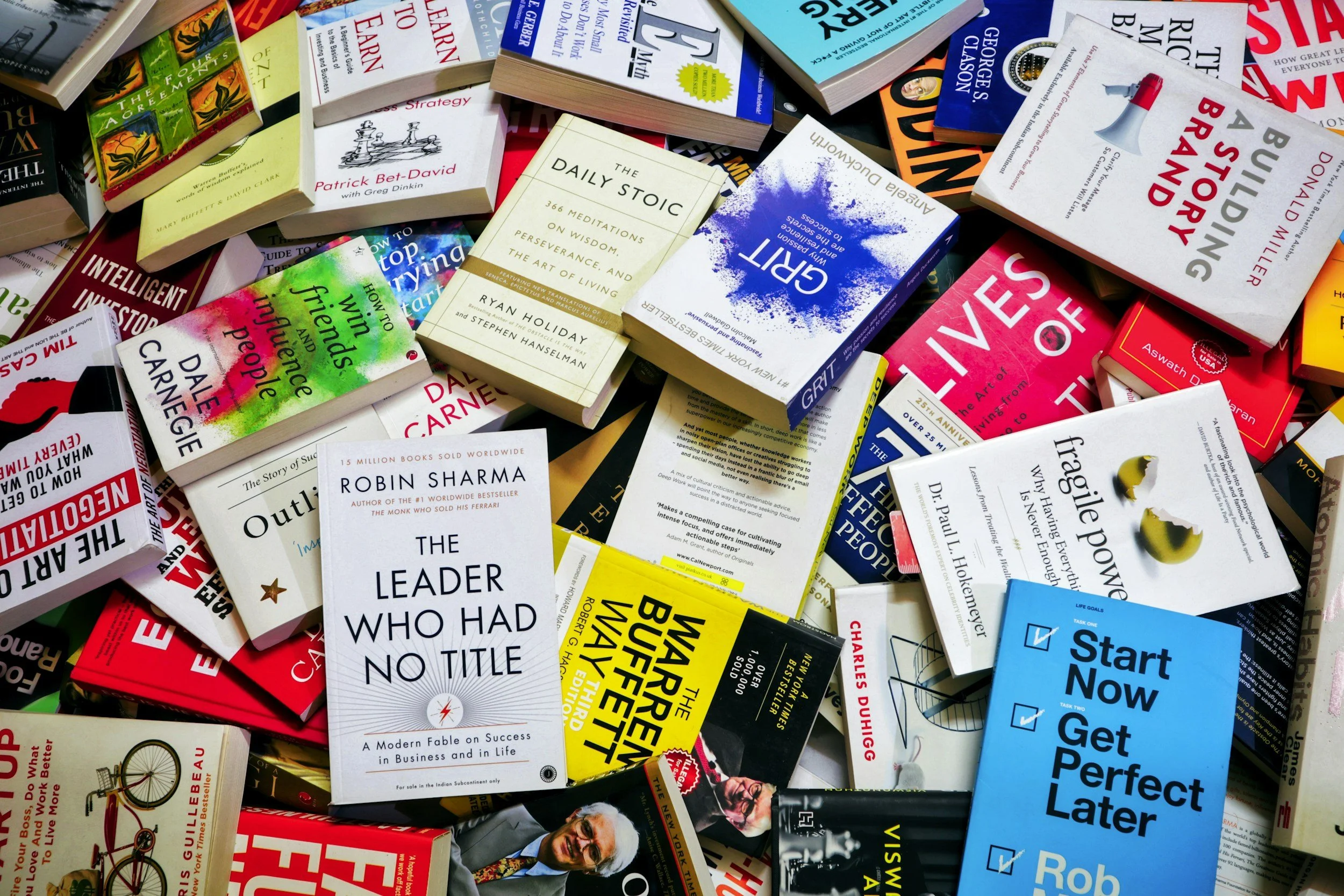
The original self-help system
Long before podcasts, programmes, or productivity hacks, yoga offered a simple idea. Your body, breath, and attention are not separate from your mental life. They are shaping it, constantly. Learn to work with them and you gain a skill that applies to joy and grief, clarity and confusion, effort and rest.
Yoga does not exist to make life perfect. It exists to help you be with life, as it is. That is why I still believe it is one of the most practical self-help systems we have ever created.
What is coming next
In 2026, I am expanding my yoga trainings to make this approach more accessible than ever. Simple techniques, evidence-informed teaching and clear philosophy without mysticism. It will be packed with practices you can actually use when life feels tight, busy, or overwhelming.
Details will be shared this Christmas Eve.
Until then, remember this.
If the mind feels stuck, start with the body.
If thinking feels heavy, breathe.
If life feels too much, take one small action that tells your system you are safe.
That is yoga.
thanks fro being here,
Stuart