
Why Yoga Matters Now
When people first come to yoga, they do not usually arrive asking grand philosophical questions.
Most are not asking, “What is the meaning of life?”
They are asking something much more immediate.
How do I feel better in my body.
How do I switch my mind off.
How do I cope with stress without becoming hard, numb, or exhausted.
How do I keep going when life feels messy, pressured, and uncertain.
That is one of the reasons I believe yoga still matters so much.
Not because it is ancient.
Not because it sounds impressive.
And not because it offers some polished version of wellbeing.
It matters because it helps with real life.
The problem beneath the surface
Modern life can look full from the outside and still feel thin underneath. Many people are active, but physically disconnected. They live with stiffness, fatigue, recurring aches, or the strange feeling of being in a body they do not fully listen to anymore. Many are mentally overloaded. Too much input. Too little space. Always reacting, rarely settling. And many are emotionally stretched. Busy, productive, capable, yet still quietly lonely or disconnected from themselves.
That is the part I think often gets missed. People do not only need fitness. They do not only need relaxation. They need practices that help them feel more steady, more honest, and more connected to what is actually going on.
Yoga can do that.
Yoga is more than poses
One of the simplest but most important shifts is this.
Yoga is not just a set of shapes.
It is a way of relating.
A way of relating to your body without only trying to perfect it.
A way of relating to your thoughts without being dragged around by every one of them.
A way of relating to stress without immediately collapsing into it or armouring against it.
That is why yoga often helps in ways people did not expect.
Someone may begin because their hips feel tight, then realise they are also breathing more fully.
Someone may begin because they feel anxious, then realise they are also becoming stronger and more confident in their body.
Someone may begin because they are curious about teaching, then realise the practice is helping them understand themselves more honestly.
That is real yoga to me. Not performance. Not polish. Relationship.
Why yoga is still relevant
Yoga first emerged in response to very human problems. Suffering. Confusion. Restlessness. The feeling that life was being lived on the surface. That is still deeply familiar now. The details have changed, but the human experience has not changed as much as we sometimes think. People still wrestle with stress, distraction, emotional pain, uncertainty, and the question of how to live well.
What yoga offers is not a magical fix. It offers practices.
Breath that can slow you down when your system is running too hot.
Movement that helps you feel your body again.
Awareness that creates a little space between an experience and your reaction to it.
Stillness that helps you notice what has been there all along.
In that sense, yoga is practical. It is also quietly profound. Because when someone learns to sit with their own experience a little more honestly, everything starts to shift. Not always dramatically. But meaningfully.
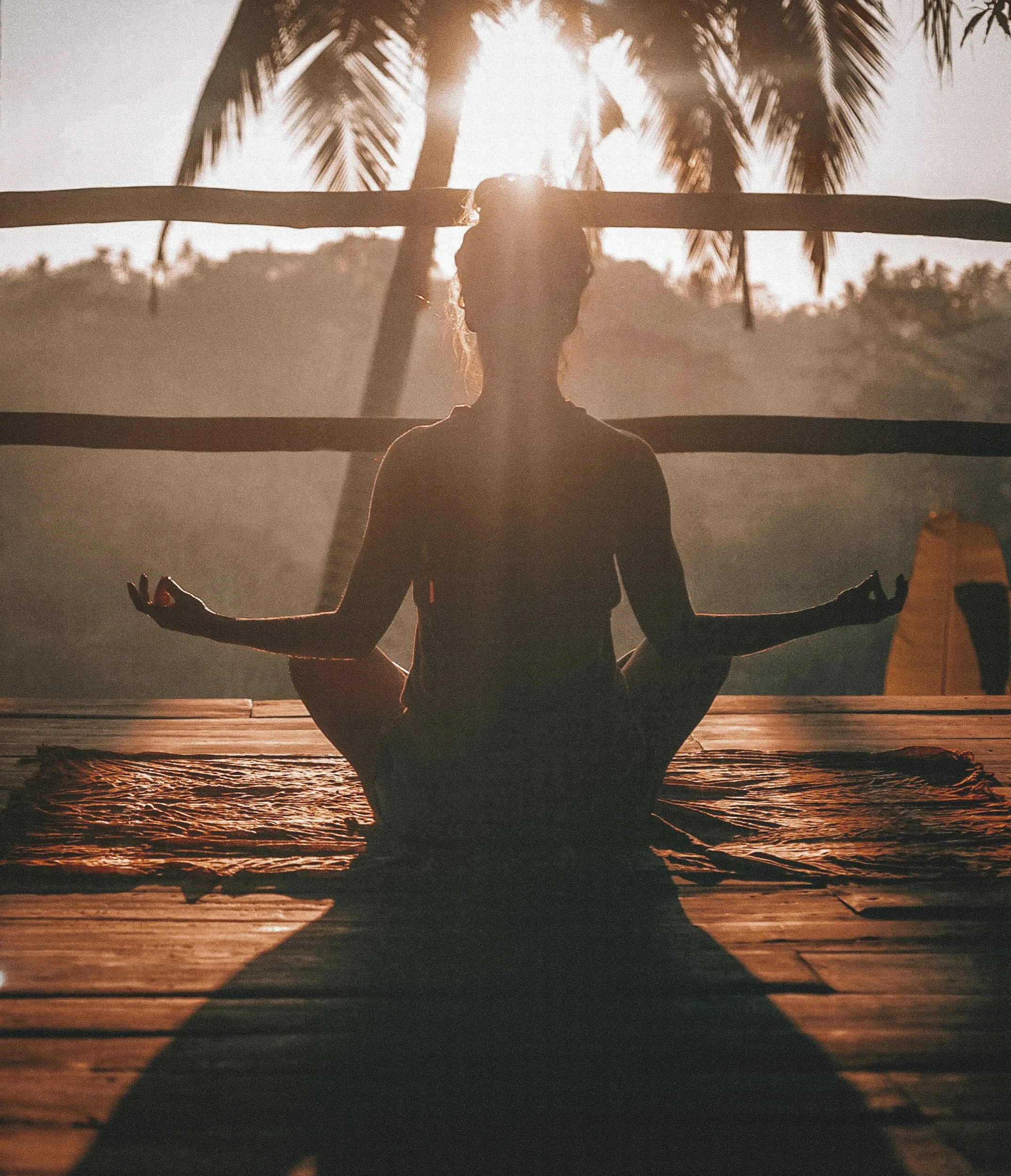
Start here
If this resonates, I’ve put together a free introduction to Hatha Yoga that explores why yoga still matters, how I teach, and how these practices support the body, mind, and nervous system.
It is a simple doorway in.
A place to begin if yoga has helped you already and you want to understand it more deeply.
Or if you feel drawn toward training and want to get a feel for this way of working first.
Start with the free introduction to Hatha Yoga here.
FAQs
Why does yoga matter today?
Because many people are physically disconnected, mentally overloaded, and emotionally stretched. Yoga offers practical ways to build steadiness, awareness, and resilience.
Is yoga only about flexibility?
No. Flexibility may improve, but yoga is also about breath, awareness, strength, regulation, and how you relate to yourself and your life.
Can yoga help with stress?
For many people, yes. Breath, movement, and attention practices can help the body and mind respond differently to pressure.
Where should I start if I want to understand yoga more deeply?
Start with a simple introduction that explains the practice clearly and connects it to real life, rather than jumping straight into advanced ideas or teacher training.